04 — Software & Product Engineering
Software engineered for the long run.
We design and build SaaS products, custom platforms, mobile apps and integrations — shipped in small, reliable increments and built to be maintained.

What we solve
The problems we’re usually brought in for.
- 01
An idea that needs to reach market
Founders need a focused MVP that validates demand without accumulating technical debt.
- 02
Operations running on spreadsheets
Manual processes and disconnected tools slow the business. Custom software can remove whole categories of work.
- 03
A product that's hard to change
Legacy code, slow releases and rising bugs. Modernization makes the product safe to evolve again.
- 04
Systems that don't talk
CRM, ERP, commerce and finance tools hold separate truths. Integrations create one reliable flow of data.
Capabilities
What’s included.
Engage us for a single capability or combine several. Every engagement is scoped to what your business actually needs.
- 01
Custom Software Development
Bespoke systems designed around your processes rather than forcing your processes to fit software.
- 02
SaaS Development
Multi-tenant architecture, subscriptions, roles, billing and the foundations a SaaS business needs.
- 03
MVP Development
A focused first release that tests the core value proposition with real users.
- 04
Product Development
Ongoing product engineering with a cross-functional team of design, engineering and QA.
- 05
Web Application Development
Secure, responsive browser-based applications for customers, staff and partners.
- 06
Mobile App Development
Cross-platform iOS and Android apps that share logic with your web platform.
- 07
API Development
Well-documented APIs that let your product connect with partners, apps and internal systems.
- 08
Third-party Integrations
Payment, CRM, ERP, marketing, logistics and data integrations.
- 09
Marketplace Development
Multi-vendor platforms with onboarding, listings, payments and trust features.
- 10
Business Platforms
Internal tools, portals and operational systems that replace fragile manual processes.
- 11
Product Modernization
Refactoring, re-architecture and incremental migration of legacy applications.
- 12
QA & Testing
Automated and manual testing woven into delivery rather than bolted on at the end.
Use cases
Where this makes the biggest difference.
SaaS MVP
Take a validated idea to a first paying customer with a scalable foundation.
Operations platform
Replace spreadsheets and email chains with a purpose-built system.
Customer mobile app
Extend an existing service into iOS and Android with shared back-end logic.
Legacy modernization
Move a critical application to a modern stack without stopping the business.
Approach
How we approach it.
- 01
Discovery
Users, workflows, requirements and technical risks — clarified before code is written.
- 02
Architecture
Stack, data model, integrations, security and scalability decisions made deliberately.
- 03
Iterative delivery
Short cycles, working software at every stage and transparent progress.
- 04
Release & evolve
Deployment, monitoring, support and a roadmap for what comes next.
Typical deliverables
- Product requirements
- Technical architecture
- Clickable prototype
- Working releases
- Automated tests
- Documentation & handover
Tools & technology
Connected
Where this capability shows up.
Solutions
- 01SaaS Product DevelopmentTake SaaS products from idea to MVP to growth.
- 02Business AutomationReduce repetitive manual work with software, integrations and AI.
- 03Digital TransformationModernize digital experiences, products and processes.
- 04AI TransformationIdentify, build and implement practical AI systems.
Industries
Blog
Related thinking.
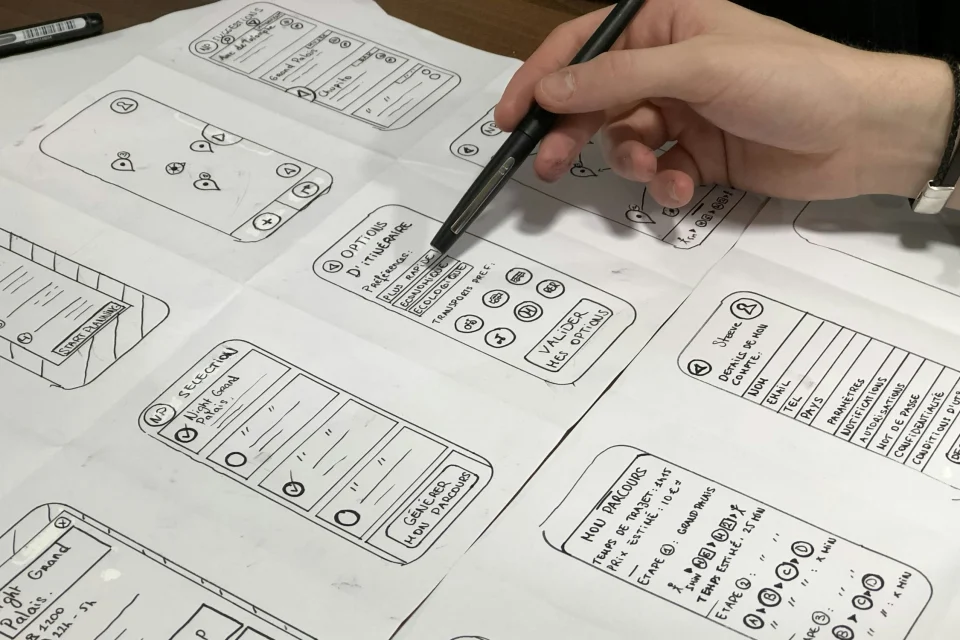 How to Scope and Build a SaaS MVPHow to scope a SaaS minimum viable product around one customer and one core workflow, get multi-tenancy and security right, and launch to learn…Read the article
 Ecommerce Replatforming: Shopify, WooCommerce, BigCommerce or Headless?How to choose between Shopify, WooCommerce, BigCommerce and headless, and how to migrate data, URLs and integrations without losing sales.Read the article
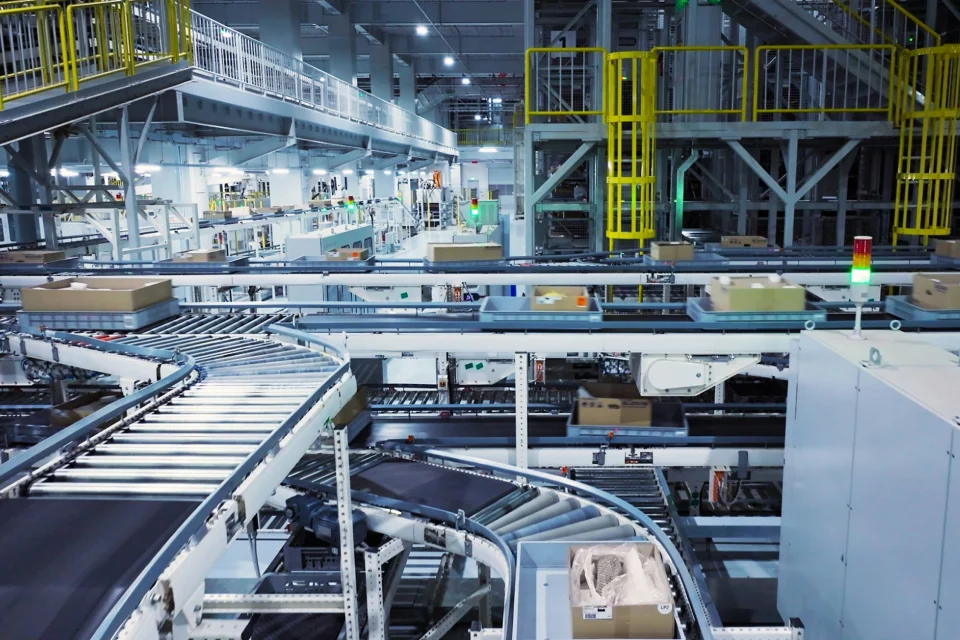 Business Process Automation: How to Find and Automate the Right ProcessesA practical method for choosing which business processes to automate, selecting the right automation approach and proving the value with a measured pilot.Read the article
FAQ
Questions, answered.
How much does it cost to build an MVP?
It depends on scope, integrations and platforms. We scope MVPs around the smallest release that tests your core value proposition, and we provide a clear estimate after a short discovery phase.
Who owns the code?
You do. On completion and payment, intellectual property for the custom code we write for you is assigned to you, subject to the licenses of any third-party components.
Can you take over an existing codebase?
Yes. We start with a technical review of code quality, architecture, security and delivery process, then propose a stabilization and improvement plan.
Do you build native or cross-platform mobile apps?
Mostly cross-platform, which lets one codebase serve iOS and Android efficiently. We recommend native where performance or device features genuinely require it.
How do you manage projects?
In short iterations with a shared backlog, regular demos and direct access to the people doing the work.
Should we build custom software or buy an off-the-shelf tool?
Buy when a proven product fits your process with little compromise. Build when your workflow is a competitive advantage, when off-the-shelf tools force costly workarounds, or when you need several systems to work as one. During discovery we look at your users, workflows and integrations to recommend the option that is simplest to run long term.
What happens during a software discovery phase?
Discovery clarifies users, workflows, requirements and technical risks before code is written. We talk to stakeholders, review existing systems and define what the first release must do. Typical outputs are product requirements, a technical architecture outline and often a clickable prototype, which together form the basis of a reliable estimate and plan.
How do you connect our CRM, ERP and other business systems?
We build integrations using the APIs those systems provide, or develop well-documented APIs where none exist. The goal is one reliable flow of data between CRM, ERP, commerce, payment, finance and logistics tools, with clear rules for which system owns which data, plus testing and monitoring so problems are caught early.
Other capabilities
One connected team.
- 01Strategy & ConsultingClear direction before anything gets built.
- 02Brand, Creative & ExperienceBrands and interfaces people understand, trust and remember.
- 03Web & Digital ExperienceFast, credible websites engineered to convert.
- 05AI & AutomationPractical AI connected to real business workflows.
- 06Digital GrowthVisibility, demand and conversion — as one system.
Let's talk about Software & Product Engineering.
Share what you're working on. We'll tell you honestly how we'd approach it — and whether we're the right fit.